
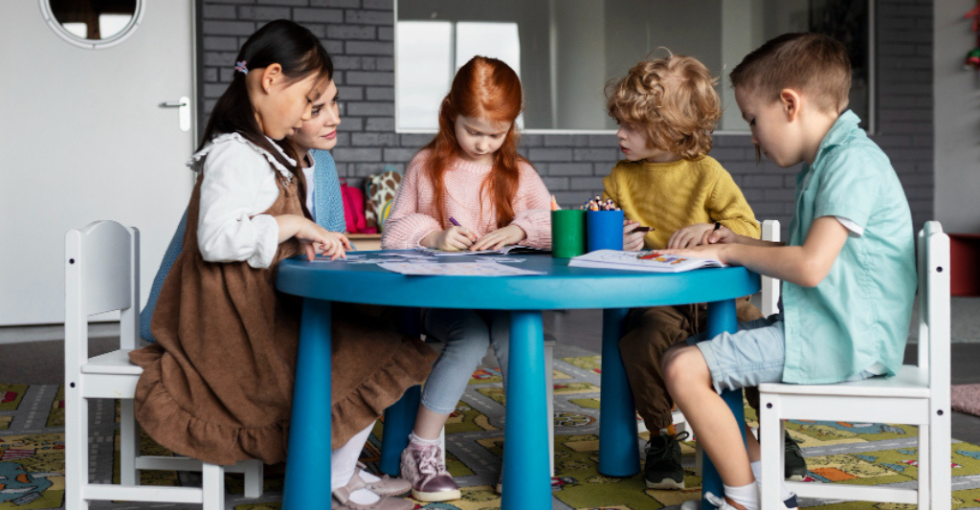

Children learn a lot in their early years, and many of those lessons come from being around other kids. A group setting helps children understand the world beyond home. It teaches them how to communicate, share, wait, and build relationships. At Creative Daycare, we see these changes every day, and it’s one of the reasons parents look for a supportive richmond daycare where these skills grow naturally.
Learning to Communicate with Confidence
One of the first things children learn in a group is how to express themselves. They begin to use more words, gestures, and expressions because they see others doing the same. In a Richmond daycare center, there are many chances for children to talk, listen, and respond. Simple activities like storytelling, group play, and circle time help them build confidence.
Kids also learn how to listen. They understand that communication goes both ways, and this makes their interactions smoother as they grow.
Sharing and Taking Turns
Sharing doesn’t always come easily to young children, yet it’s one of the most important social skills. In a group setting, children slowly learn that everyone gets a turn. They begin to understand fairness and patience through everyday activities like playing with toys, waiting in line, or taking turns at the art station.
Caregivers guide them gently, helping them see that sharing makes play more fun for everyone. These moments teach children how to be considerate, which is a skill that stays with them for life.
Building Friendships and Trust
Friendships in early childhood may seem simple, but they’re powerful. Children learn how to form bonds, understand feelings, and show kindness. Children start recognizing familiar faces, choosing friends to sit with, and inviting others to join their games. These early relationships help them feel secure, valued, and connected.
Understanding Emotions and Empathy
Being around other children helps kids understand emotions better. They notice when someone is sad, excited, or frustrated. Over time, they learn how to respond in caring ways.
For example, if a friend drops a toy and looks upset, another child may offer help or a comforting gesture. These small actions teach children emotional awareness, something that can’t be learned from books alone.
Learning Routines and Cooperation
Group settings teach children how to follow simple routines. They learn that certain things happen at certain times—snack time, playtime, cleanup, and rest time. With gentle guidance, they understand that everyone works together to keep the day flowing.
Cooperation becomes a part of their daily life. Whether they’re cleaning up toys or working on a small group project.
Building Independence in a Safe Environment
While children learn to work together, they also become more independent. They begin doing simple things by themselves, like putting away their shoes, washing hands, or setting up their materials. Being around other children encourages them to try new tasks.
At Creative Daycare, we encourage independence at a pace that feels comfortable. With the right mix of guidance and freedom, children gain confidence in what they can do.
Respecting Others and Understanding Boundaries
In group settings, children learn that everyone has personal space, preferences, and boundaries. They learn how to ask before taking something and how to respect others’ choices. These lessons help them become thoughtful and respectful individuals as they grow. Such skills often develop naturally in a warm, structured environment like a richmond daycare center where caregivers model respectful behaviour every day.
How Creative Daycare Supports Social Growth
At Creative Daycare, social development happens naturally through every part of the day. Children learn to communicate, cooperate, and build friendships through play, shared routines, and meaningful interactions. Our caregivers model kindness, guide children through challenges, and help them understand their own emotions and the feelings of others.
By providing a safe, structured, and nurturing environment, we help children gain the confidence and social skills they need to build strong relationships—now and in the future.